Exploring the Advantages of Artificial Grass in Busy Spaces
Synthetic turf is becoming a popular choice for areas with heavy foot traffic. It offers many advantages over natural grass, including lower maintenance costs and enhanced durability. In high-traffic locations like sports fields, playgrounds, and commercial landscapes, synthetic turf provides a resilient surface that stands up to constant use without showing wear. This makes it an attractive option for property owners looking to maintain a lush and green appearance year-round.
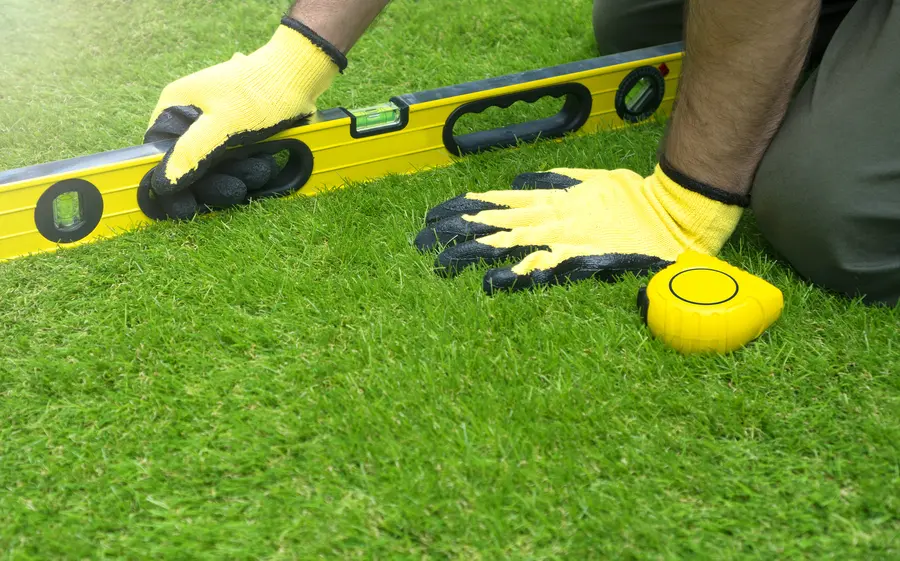
Why Choose Artificial Grass for Busy Spaces
Artificial grass is ideal for busy areas due to its low maintenance needs. Unlike natural grass, which requires regular watering, mowing, and fertilizing, artificial grass stays green and vibrant with minimal care. This saves time and money on upkeep while ensuring a consistent look despite heavy usage. Furthermore, synthetic turf eliminates mud and puddles, providing a cleaner outdoor environment.
Key Benefits of Installing Artificial Turf
One major benefit of synthetic turf installation is its durability. Designed to withstand harsh conditions and frequent use, these surfaces remain intact even in the busiest settings. Additionally, artificial turf helps conserve water, as it doesn’t need irrigation like natural lawns do. The material also reduces allergy symptoms since it doesn’t produce pollen. These qualities make it an excellent choice for public spaces that host events or see numerous visitors daily.
Addressing Concerns About Synthetic Turf
Some people worry about the initial cost of synthetic turf installation. However, when considering long-term savings from reduced maintenance, water conservation, and longevity, the investment often pays off over time. Another concern can be environmental impact; yet, manufacturers are continuously improving eco-friendly options by using recycled materials and creating recyclable products.
Steps to Install Synthetic Turf Efficiently
Installing synthetic turf involves several steps:
- Clear the area of existing grass and debris
- Level the ground to ensure proper drainage
- Lay down a weed barrier to prevent growth underneath
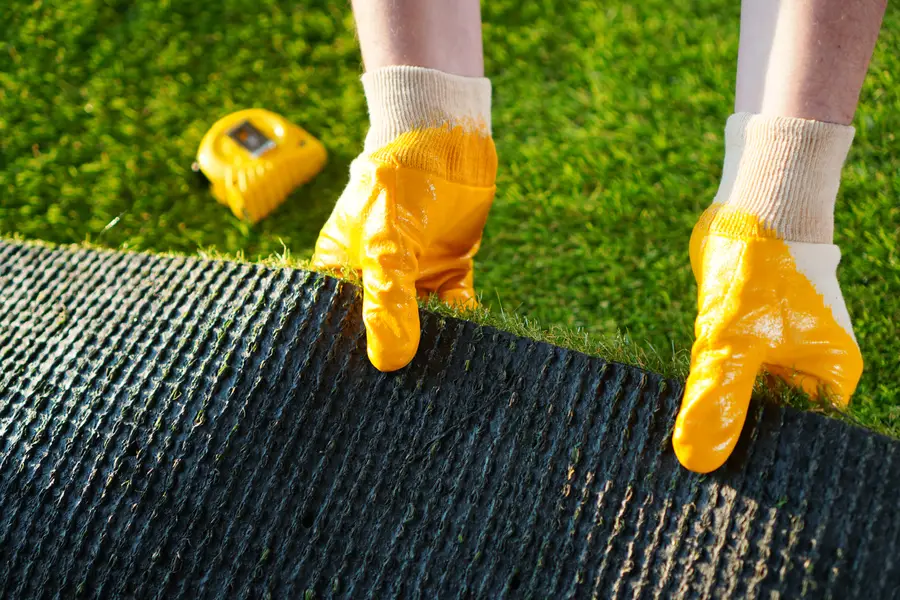
- Roll out the synthetic turf and secure it in place
- Fill the surface with infill material for stability and comfort
Best Practices When Using Artificial Grass
To maximize the lifespan of your synthetic turf, follow these best practices:
- Avoid placing sharp objects or heavy furniture directly on the surface
- Regularly brush the fibers to keep them upright
- Rinse off spills promptly to maintain cleanliness
- Inspect edges and seams periodically for any signs of damage
Understanding Industry Standards for Synthetic Turf
Adhering to industry standards ensures your synthetic turf performs well. Look for turfs that meet quality certifications such as ASTM (American Society for Testing and Materials) guidelines. Certified products typically offer better UV resistance, safety features, and overall performance. Working with a reputable installer familiar with these standards guarantees optimal results.
Evaluating Costs Versus Benefits
The upfront cost of artificial grass can be higher than natural grass. However, consider the savings on water bills, lawn equipment, fertilizers, and labor over time. Evaluating return on investment shows that artificial grass can be more economical in the long run due to its reduced maintenance needs and extended lifespan.
Your Path to Greener High-Traffic Areas Starts Here
If you’re ready to explore the benefits of artificial grass for your space, our team at Luis Landscaping is here to help. We specialize in transforming landscapes with durable solutions that last. Contact us at (564) 212-5285 to discuss how we can meet your specific needs. Our experts are based in Seattle, WA, providing tailored services designed to enhance any high-traffic area with ease.